Summer Heat Car Detailing Guide: Protect the Finish Without Chasing a Clock
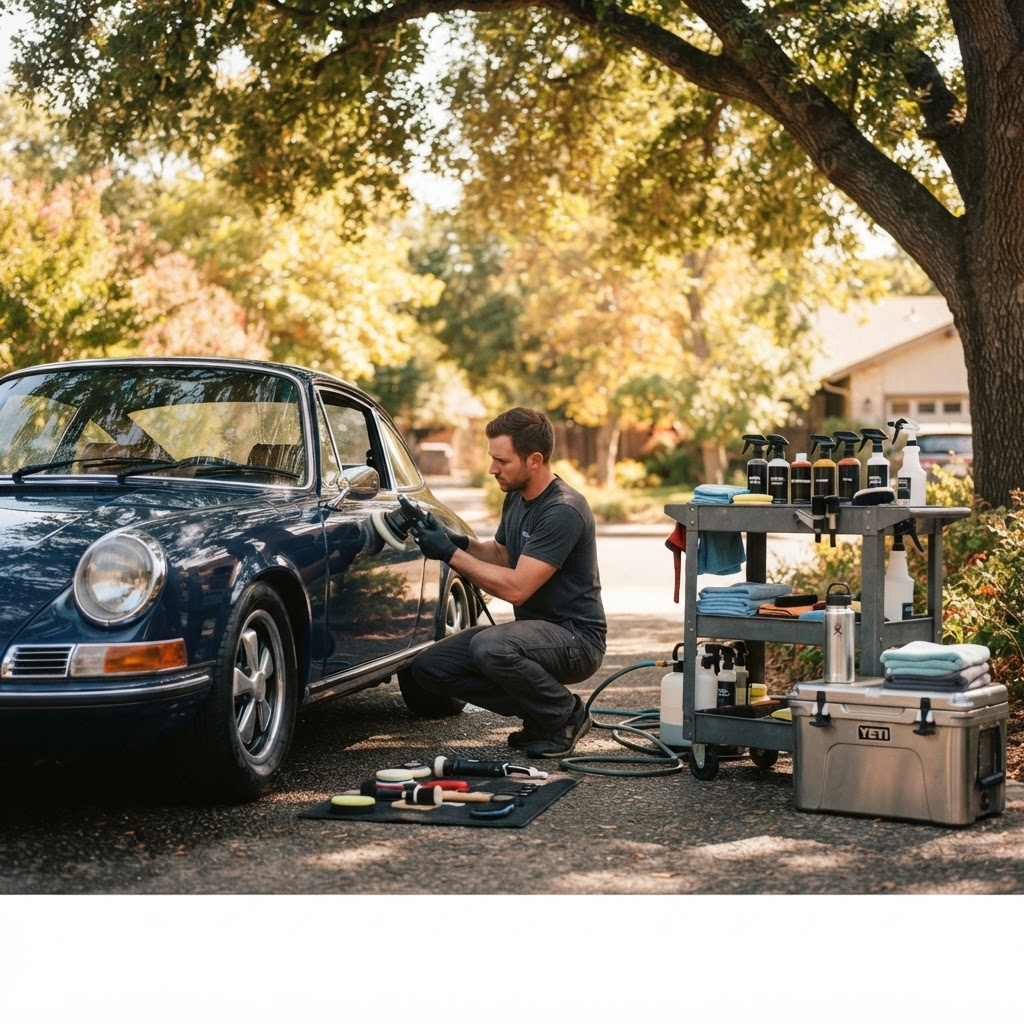
Written and reviewed by SLYYYDE N WASH Fleet Operations · United States commercial service guidance
Key takeaways
Shade and panel temperature matter more than a generic time of day.
Inspect tires, seals, wipers, and cabin filters as maintenance items, not detailing claims.
Never leave children or pets in a parked vehicle.
Stop when heat, wind, or surface temperature defeats safe control.
What does heat change on the vehicle?
Hot panels can dry water and products before they are evenly worked. Interior temperatures rise quickly in direct sun, and rubber, plastics, seals, and wipers face their own aging conditions. Detailing improves cleanliness and visibility; it does not replace mechanical inspection or repair.
How can a customer prepare the appointment?
Remove valuables, provide access to the vehicle, identify sensitive finishes, and choose a location with workable shade and drainage. Keep children and pets out of parked vehicles; NWS points customers to NHTSA resources for vehicle heat safety.
What should be referred to a mechanic?
Low tire pressure, damaged tread, overheating, cracked belts or hoses, warning lights, battery concerns, and failing wipers are maintenance or safety issues. A detailer can clean around them but should not diagnose or repair them outside their qualifications.
Summer appointment plan
Continue your research
Best Time to Detail a Car — Choose a safer detailing window by understanding direct sun, hot panels, wind, humidity, and product dwell time.
Detailing After Rain — Rain does not always clean a vehicle. Learn when to rinse, when to wait, and how to avoid turning mineral spots into extra correction work.
Sources and limitations
National Weather Service — Heat Safety
NHTSA — Tire Pressure Monitoring Systems
Published prices and schedules are planning references, not universal facts or site-specific quotes. This article provides operational information, not legal advice. Confirm current requirements with the authority responsible for your site.
Frequently asked questions
Can I detail a car in full sun?
Some maintenance work may be possible, but full sun reduces control. Shade or a safer window is usually preferable.
Does detailing prevent dashboard cracking?
Cleaning and compatible protection can support appearance, but age, heat, UV exposure, material, and parking conditions still matter.
Is tire shine a tire repair?
No. Appearance products do not correct low pressure, damage, uneven wear, or unsafe tread.