Building exteriors
Material-aware cleaning plans for durable exterior walls, entries, awnings, and common areas.
COMMERCIAL FACILITIES // NATIONWIDE
Commercial exterior cleaning for buildings, storefronts, sidewalks, parking areas, loading and fleet yards, and dumpster pads—with the surface, access, service window, and runoff plan reviewed before work begins.
FIELD VIEW // COMMERCIAL EXTERIORS
Representative pressure-washing applications. Final scope, method, provider, and suitability are confirmed for your site.
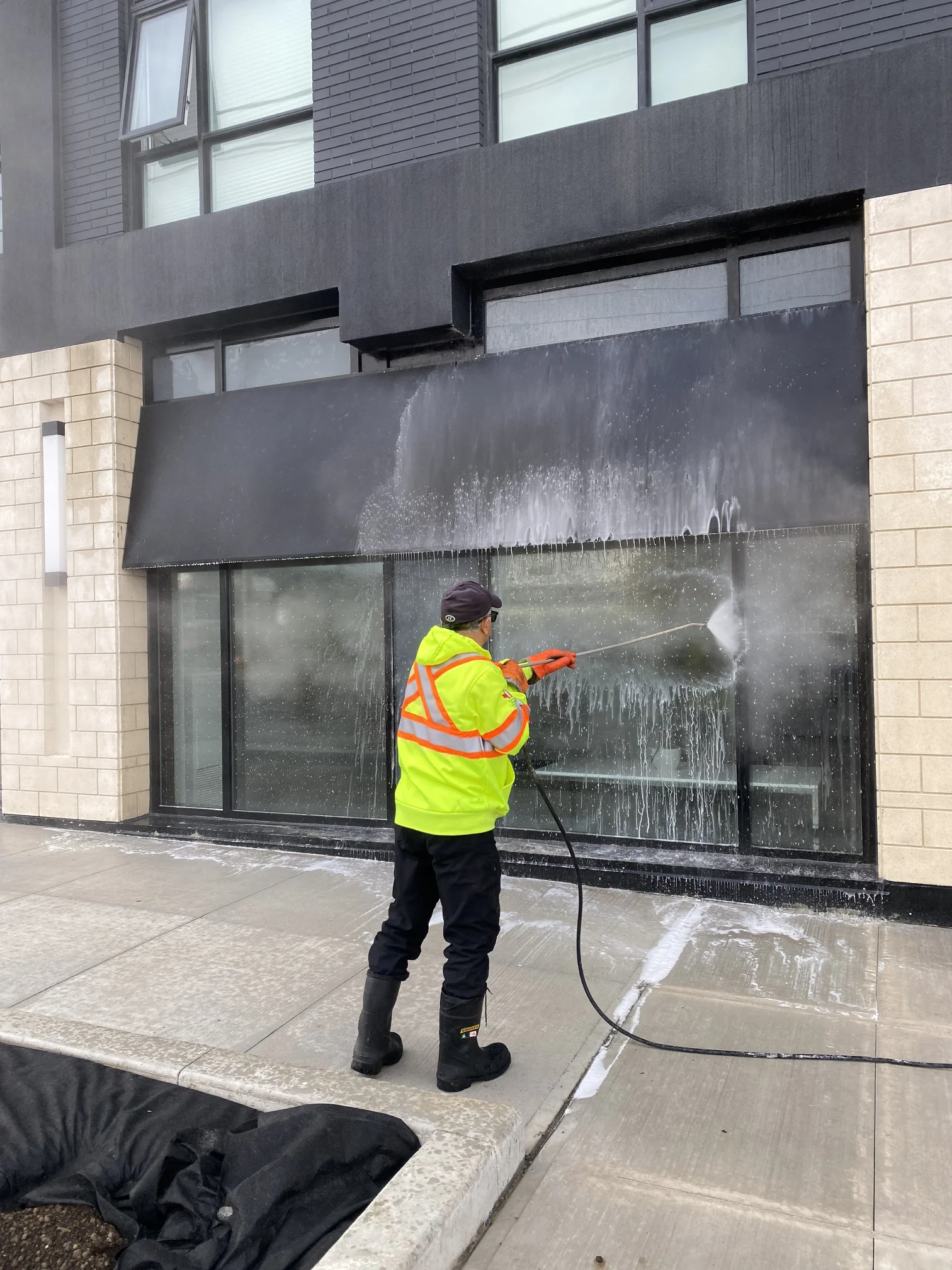
Customer-facing walls, windows, entries, and sidewalk edges.
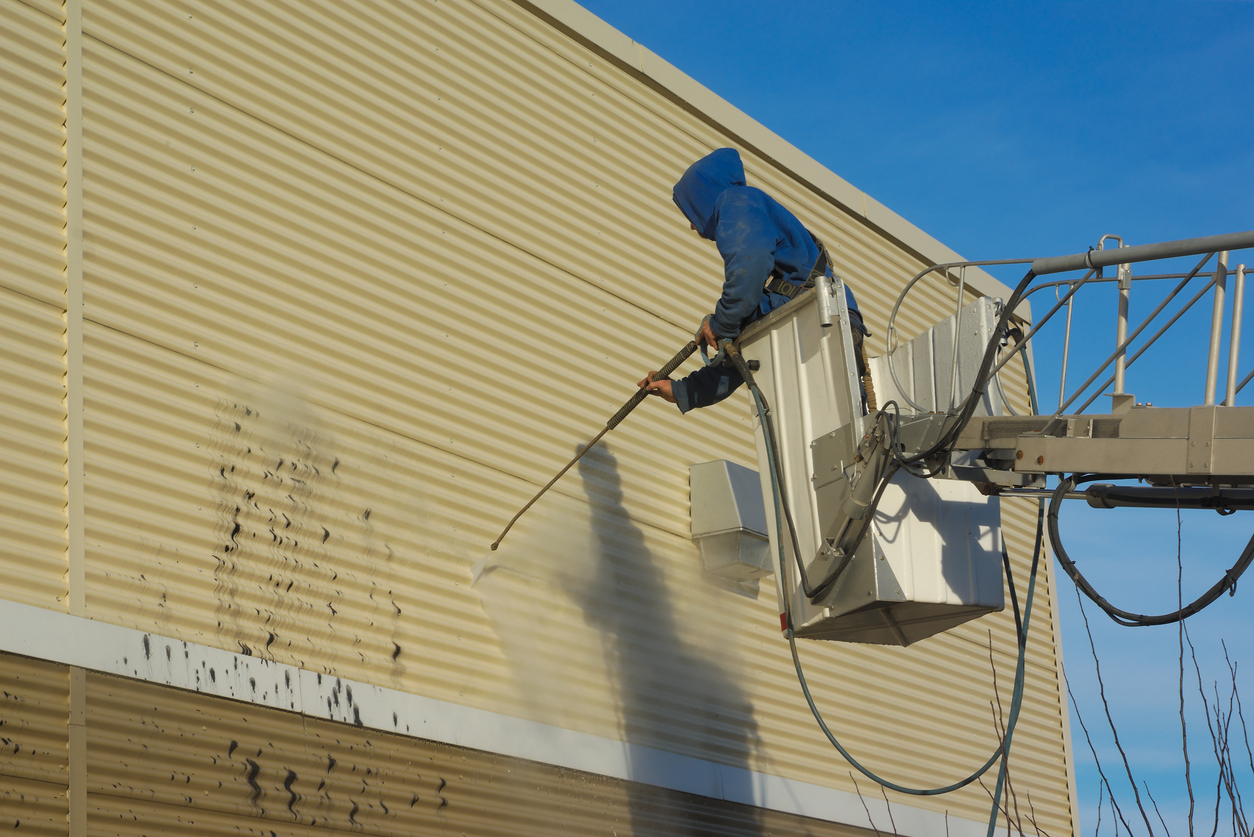
Access, overspray, substrate, and work-zone controls reviewed first.
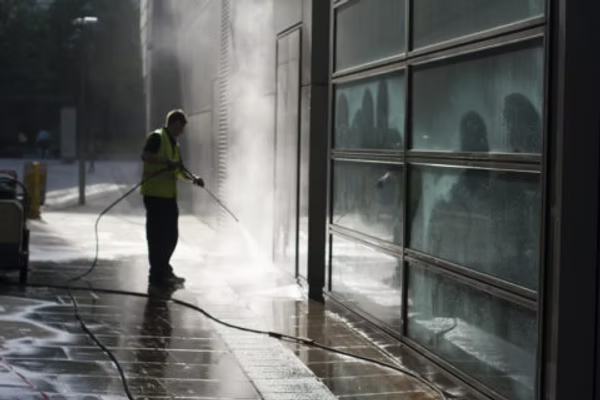
Method selected for the actual surface and soil load.
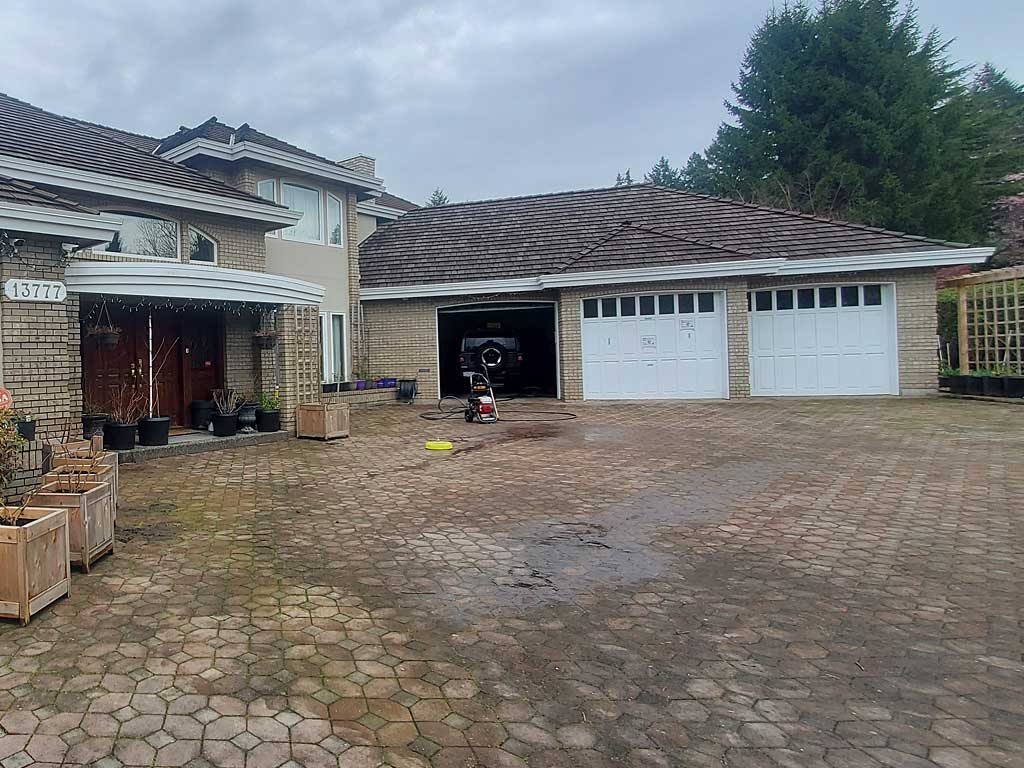
Access, drainage paths, and traffic windows mapped before work.
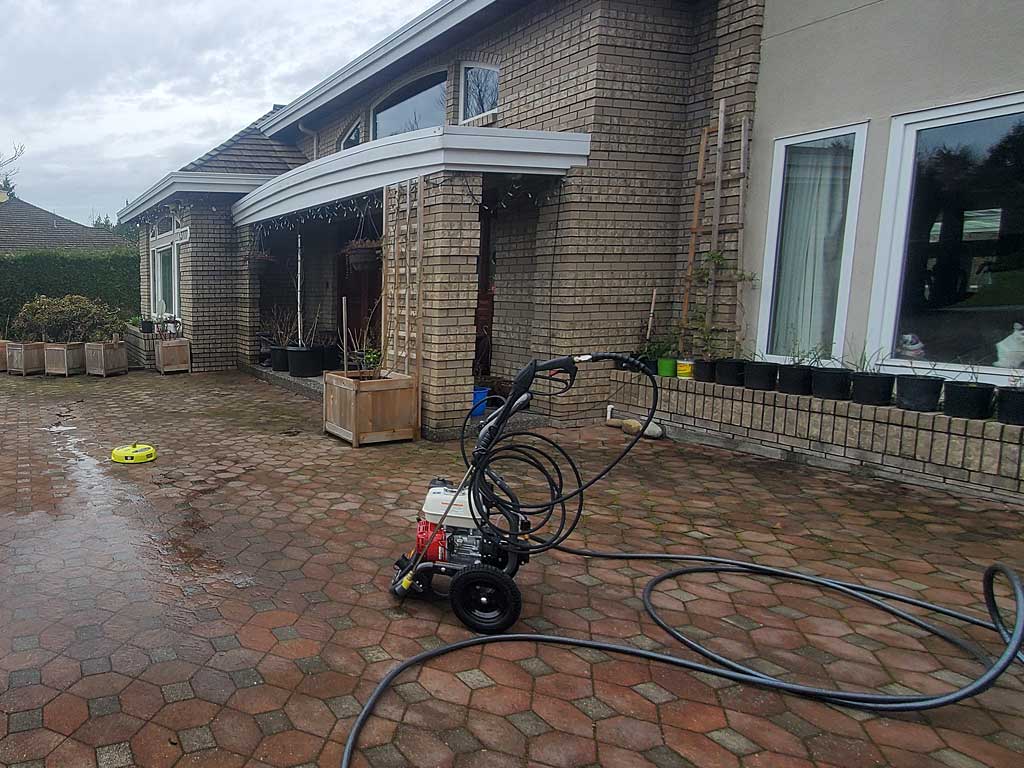
Utilities and staging requirements confirmed during intake.
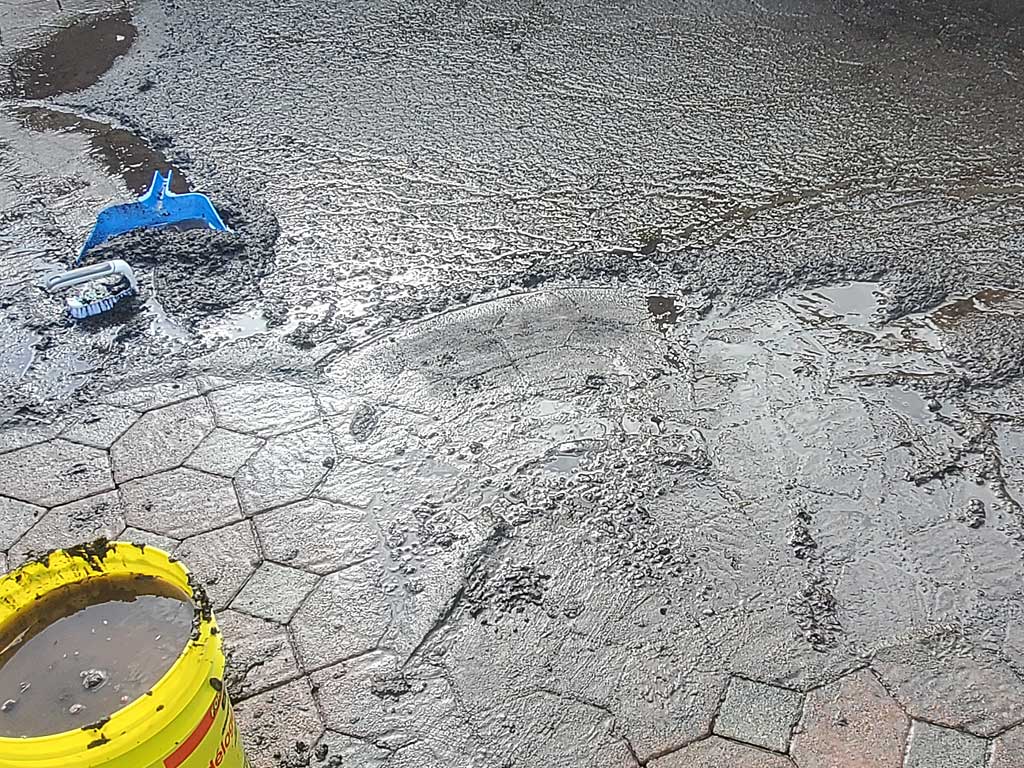
Contamination and collection needs determine the workflow.
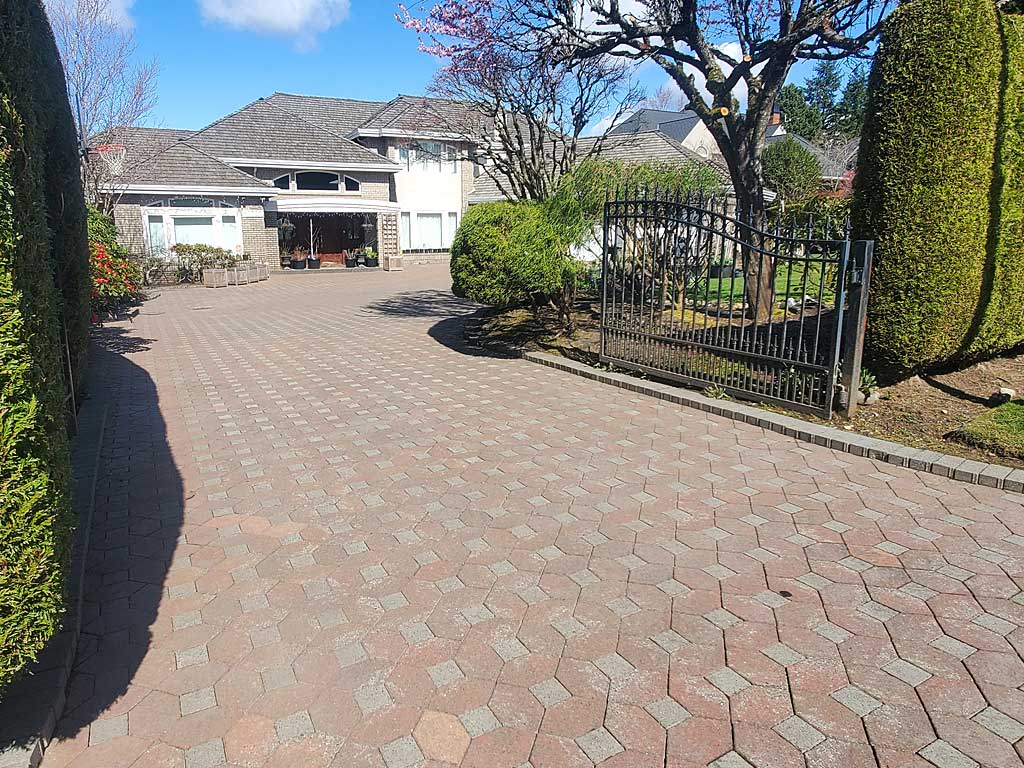
A clean, consistent finish across broad paved areas.
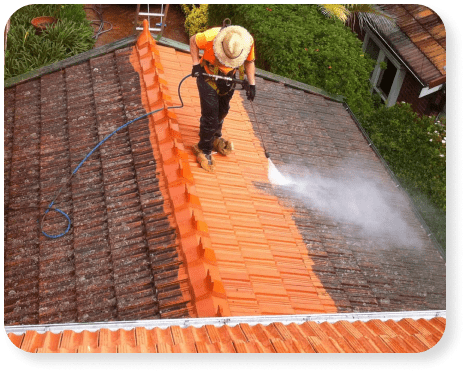
Specialty substrates require a separate method and access review.

Nearby windows, openings, seals, and finishes are protected in the plan.
FACILITY SERVICE MATRIX
Material-aware cleaning plans for durable exterior walls, entries, awnings, and common areas.
Customer-facing glass-adjacent hard surfaces, walkways, entry zones, and curb approaches.
Parking lots, garages, drive lanes, curbs, ramps, and other paved circulation areas.
Dock approaches, loading zones, staging areas, fleet yards, and operating-site hardscape.
Site-specific cleaning for dumpster pads, enclosure approaches, and back-of-house service areas.
Single-site or multi-location scopes with planned service windows and recurring review.
CONTROLLED WORKFLOW
Locations, square footage, surfaces, contamination, height, utilities, traffic, security, and target schedule.
The provider selects dry cleanup, pretreatment, pressure level, soft washing, rinsing, and protection steps by surface.
Drainage paths, nearby storm drains, containment or collection needs, and locally permitted disposal options are reviewed.
Crew access and work zones are planned around customers, employees, vehicles, loading, noise rules, weather, and safety.
The agreed scope, exceptions, observed conditions, and recurring-service recommendations can be documented for property teams.
2026 BUYER RESEARCH
Normalize square footage, access, special soil, and water controls.
Read the 2026 guideBuild an inspection schedule by property type, surface, and risk.
Read the 2026 guideCompare sweeping, degreasing, washing, phasing, and recovery.
Read the 2026 guideResearch grease, odor, dry cleanup, frequency, and wastewater.
Read the 2026 guideChoose a process using substrate, coating, soil, and test patches.
Read the 2026 guideThese government sources explain the stormwater-control context used during site review. They are not proof of SLYYYDE jobs, a permit, a certification, or legal advice. State and local requirements may be stricter.
Explains the federal industrial stormwater permitting framework. Facility applicability and local requirements still require site-specific review.
Supports using operational controls and best-management practices to reduce pollutants carried by stormwater runoff.
Provides context for why pollutant-bearing non-stormwater discharges to municipal storm systems require careful control.
COMMERCIAL INTAKE // FACILITY
Pricing is built from surfaces, area, condition, contamination, height, access, utilities, runoff controls, operating window, frequency, and location count.
FACILITIES FAQ
READY TO MAP THE PROPERTY?